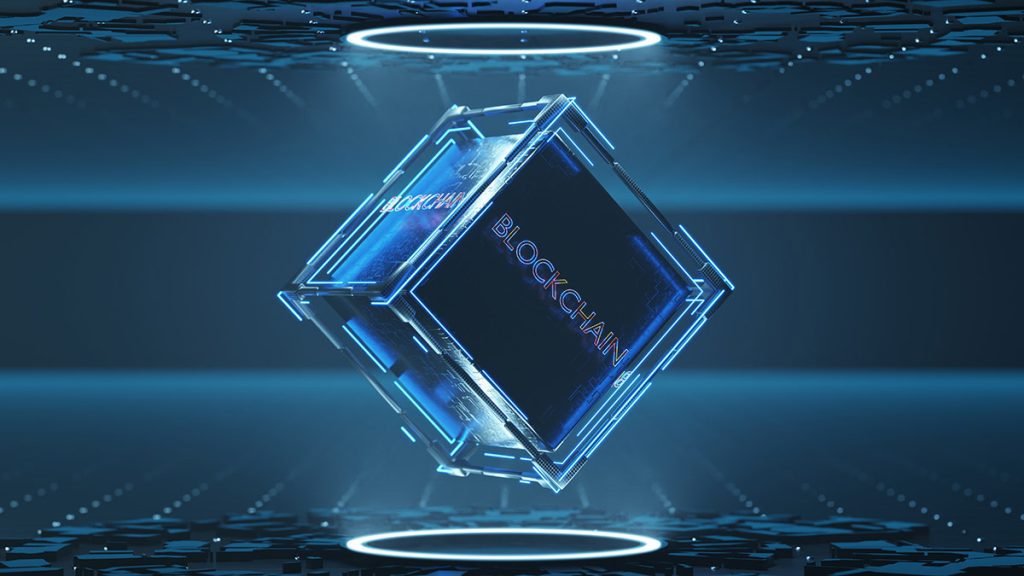

Blockchain technology is often associated only with cryptocurrencies like Bitcoin and Ethereum, but its real potential goes far beyond digital money. At its core, blockchain technology is a decentralized, tamper resistant system for recording and verifying data. This makes it valuable in industries where trust, transparency, and data integrity are critical.
In this blog, we explore how blockchain is being used in healthcare, supply chain management, and digital identity systems, with detailed explanations under each heading.
Table of Contents
Understanding Blockchain Technology
Blockchain is a distributed ledger where data is stored in blocks that are cryptographically linked together. Each participant in the network holds a copy of the ledger, making it extremely difficult to alter past records without consensus.
According to the blockchain fundamentals explained by IBM, decentralization and immutability are the key properties that differentiate blockchain from traditional databases.
Why Blockchain Is Useful Beyond Cryptocurrency
In many industries, multiple parties need to share data without fully trusting each other. Traditional centralized systems rely on intermediaries, which increase cost and risk. Blockchain removes the need for intermediaries by providing a shared and verifiable source of truth.
The enterprise blockchain overview explains how blockchain improves trust and transparency in business processes.
Blockchain in Healthcare Systems
Healthcare systems handle sensitive patient data that must be accurate, secure, and accessible only to authorized users. Blockchain technology enables secure sharing of medical records while maintaining patient control. The blockchain in healthcare explained shows how decentralized ledgers improve data integrity and interoperability.
Secure Medical Record Management
Blockchain allows patient records to be stored as cryptographic references rather than raw data. This ensures privacy while enabling authorized healthcare providers to access up to date information. The medical data security overview explains how blockchain enhances trust in health information exchange.
Drug Supply Chain Verification
Counterfeit drugs are a major global problem. Blockchain can track pharmaceuticals from manufacturers to patients, ensuring authenticity and compliance. The drug supply chain transparency explains how blockchain technology improves traceability.
Blockchain in Supply Chain Management
Supply chains involve multiple stakeholders such as manufacturers, suppliers, logistics providers, and retailers. Blockchain creates a shared ledger that records every transaction and movement of goods. The supply chain blockchain explained highlights how transparency improves efficiency.
Improving Traceability and Transparency
Blockchain enables real time tracking of products from origin to destination. This reduces fraud, improves quality control, and increases consumer trust. The traceability use cases explain how companies ensure product authenticity.
Reducing Fraud and Disputes
Because blockchain records cannot be easily altered, disputes over shipments, payments, and delivery times are reduced. Smart contracts can automate agreements and enforcement. The smart contracts overview explains how automated contracts work.
Blockchain for Digital Identity Systems
Digital identity is critical for accessing services such as banking, healthcare, and government platforms. Centralized identity systems are vulnerable to breaches and misuse. The digital identity challenges explain why secure identity solutions are needed.
Self Sovereign Identity on Blockchain
Blockchain enables self sovereign identity, where individuals control their identity data rather than relying on central authorities. Users share only necessary information when required. The self sovereign identity explained describes how blockchain supports user controlled identities.
Identity Verification and Fraud Prevention
Blockchain based identity systems reduce identity theft by using cryptographic proofs instead of passwords. This improves security while simplifying verification. The identity verification technology explains modern identity protection methods.
Challenges of Blockchain Adoption
Despite its benefits, blockchain faces challenges such as scalability, regulatory uncertainty, and integration with legacy systems. The blockchain adoption challenges explain why careful planning is required.
Future of Blockchain Beyond Crypto
As technology matures, blockchain is expected to integrate with AI, IoT, and cloud platforms. These combinations will enable new decentralized applications across industries. The future of blockchain technology highlights emerging trends and innovations.
Conclusion
Blockchain technology is far more than a foundation for cryptocurrency. Its ability to provide secure, transparent, and decentralized systems makes it valuable for healthcare, supply chains, and digital identity.
As organizations seek trustworthy data sharing solutions, blockchain will continue to play a significant role beyond financial applications.
Also Check Edge Computing – Role in Popular Applications – 2026


[…] Also Check Blockchain Technology – Comprehensive Guide 2026 […]