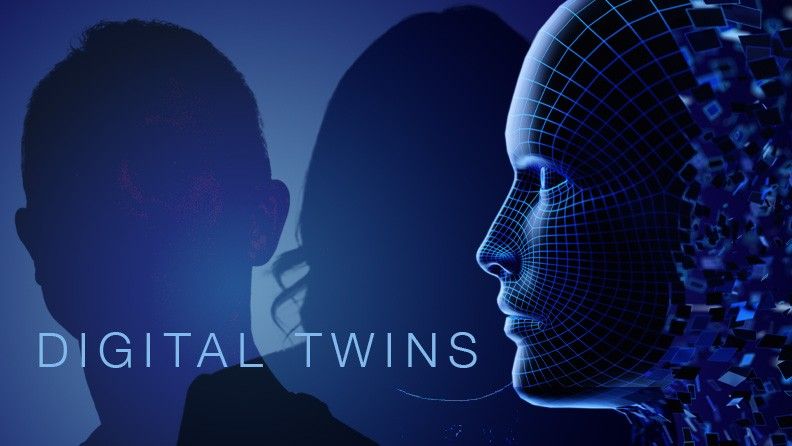
As industries move toward data driven decision making, digital twins are emerging as one of the most powerful technologies in modern engineering and enterprise systems. A digital twin is a virtual replica of a physical object, process, or system that continuously updates using real time data. This technology allows organizations to simulate, analyze, and optimize real world operations without physical risk.
This blog explains what digital twins are, how they work, and how they are transforming industries such as healthcare, manufacturing, smart cities, and energy.
Table of Contents
What Is a Digital Twin
A digital twin is a dynamic digital representation of a physical asset or system. It uses data from sensors, IoT devices, and software models to mirror real world behavior in real time.
According to IBM’s digital twin overview, it helps organizations improve performance, predict failures, and reduce operational costs.
How it Works
Digital twins operate by collecting real time data from physical systems through sensors and connected devices. This data is processed using analytics, AI models, and simulations to reflect current and future system behavior. The Microsoft concept explains how data, models, and visualization work together.
Core Components of Digital Twin Technology
A digital twin system typically consists of physical assets, data acquisition mechanisms, data processing platforms, simulation models, and visualization dashboards. Each component plays a role in ensuring accuracy and real time synchronization. The digital twin architecture explained outlines these core components in detail.
Role of IoT
The Internet of Things is the backbone of digital twin systems. Sensors embedded in machines, buildings, or devices continuously send data to update the virtual model. The IoT and digital twins relationship explains how connected devices enable real time monitoring.
Use in Manufacturing
In manufacturing, digital twins are used to monitor production lines, optimize workflows, and predict equipment failures. Virtual simulations allow engineers to test changes before applying them physically. The manufacturing digital twin use cases show how factories improve efficiency and reduce downtime.
Digital Twins in Healthcare
Healthcare organizations use it to simulate patient conditions, personalize treatment plans, and improve hospital operations. Virtual models help doctors understand disease progression and test interventions safely. The digital twins in healthcare explain how personalized medicine benefits from this technology.
Digital Twins in Smart Cities
Smart cities rely on it to manage traffic systems, energy usage, water supply, and infrastructure planning. City planners can simulate urban growth and respond to emergencies more effectively. The smart city digital twin examples highlight real world implementations.
Digital Twins in Energy and Utilities
Energy companies use it to monitor power plants, wind turbines, and electrical grids. Predictive maintenance and performance optimization reduce energy waste and operational risks. The energy sector show how utilities improve reliability.
Benefits of Digital Twin Technology
It enables predictive maintenance, improved decision making, reduced costs, and enhanced innovation. Organizations can test scenarios virtually instead of experimenting in real environments. The key benefits of it to explain how businesses gain competitive advantage.
Challenges in Digital Twin Implementation
Despite their benefits, digital twins face challenges such as data integration complexity, high initial costs, and cybersecurity risks. Maintaining accurate models requires high quality data and continuous updates. The digital twin challenges explained provide a realistic view of limitations.
Security and Privacy Concerns
It processes sensitive operational and personal data. Securing data transmission and preventing unauthorized access is critical. The data security in digital twin systems explain why cybersecurity is essential.
Integration with AI and Machine Learning
AI enhances digital twins by enabling predictive analytics, anomaly detection, and automated decision making. Machine learning models improve accuracy over time. The AI powered twins show how advanced simulations are evolving.
Future of Digital Twins
As AI, cloud computing, and edge computing advance, digital twins will become more intelligent and accessible. They are expected to play a key role in Industry 5.0 and smart infrastructure development. The future outlines emerging trends and innovations.
Conclusion
Digital twins are transforming how industries design, operate, and optimize complex systems. By bridging the physical and digital worlds, they enable real time insights, predictive capabilities, and safer innovation.
As technology matures, it will become a standard tool across industries, driving efficiency, sustainability, and smarter decision making.
Also Check Edge Computing vs Cloud Computing – Future of Systems 2026
1 thought on “The Rise of Digital Twins – Transforming Industries – 2026”