
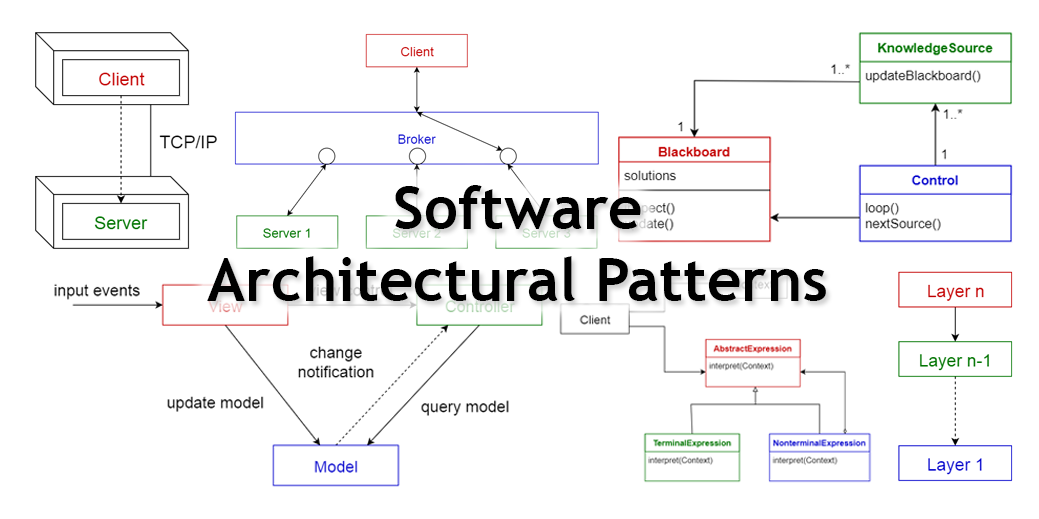
Modern software applications are expected to be scalable, maintainable, and resilient. As systems grow in complexity, choosing the right software architecture becomes a critical decision. Software architecture patterns provide proven solutions to common design problems and help teams build reliable systems efficiently.
This blog explains the most important software architecture patterns used in modern applications and how to choose the right one based on project requirements.
Table of Contents
What Is Software Architecture
Software architecture defines the high level structure of a system, including components, data flow, and communication patterns. It acts as a blueprint that guides development, scalability, and long term maintenance.
According to software architecture fundamentals by Microsoft, a well designed architecture reduces technical debt and improves system reliability.
Why Architecture Patterns Matter
Architecture patterns help developers avoid common mistakes by following best practices that have been tested in real world systems. They improve code organization, scalability, and team collaboration.
The importance of architecture patterns explains how architectural decisions affect performance and maintainability.
Monolithic Architecture
Monolithic architecture is a traditional approach where all components of an application are built and deployed as a single unit. It is simple to develop and deploy, making it suitable for small applications and early stage startups. The monolithic architecture overview explains when monoliths are still a good choice.
Microservices Architecture
Microservices architecture breaks an application into small, independent services that communicate through APIs. Each service can be developed, deployed, and scaled independently. The microservices explained by AWS highlights how this pattern supports scalability and agility.
Event Driven Architecture
Event driven architecture enables systems to react to events in real time. Components communicate by producing and consuming events rather than direct requests. The event driven architecture guide explains how this pattern improves flexibility and responsiveness.
Layered Architecture
Layered architecture organizes applications into logical layers such as presentation, business logic, and data access. This pattern improves separation of concerns and code maintainability. The layered architecture pattern explains how layering simplifies system design.
Client Server Architecture
Client server architecture separates user interfaces from backend services. Clients request data or actions from servers, which process and return responses. The client server model overview explains how this pattern powers web and mobile applications.
Service Oriented Architecture SOA
Service oriented architecture focuses on reusable services that communicate using standardized protocols. It is commonly used in enterprise systems. The SOA explained by IBM highlights its role in large scale integration.
Choosing the Right Architecture Pattern
Selecting an architecture pattern depends on factors such as system size, scalability requirements, team expertise, and deployment complexity. No single pattern fits all use cases. The architecture decision guide explains how to evaluate trade offs effectively.
Scalability and Performance Considerations
Modern applications must handle increasing traffic without performance degradation. Architecture patterns play a key role in horizontal scaling, fault isolation, and load distribution. The scalable system design principles explain how architecture supports growth.
Security Implications of Architecture Choices
Different architecture patterns introduce different security challenges. Proper authentication, authorization, and secure communication are essential in distributed systems. The application security best practices highlight common risks and mitigation strategies.
Real World Applications of Architecture Patterns
Large platforms often use a hybrid approach, combining multiple patterns to meet specific requirements. For example, microservices with event driven communication are common in cloud native systems. The cloud native architecture overview explains how modern architectures evolve.
Conclusion
Software architecture patterns provide a strong foundation for building modern applications. Understanding monolithic, microservices, event driven, and layered architectures helps developers make informed design decisions.
By choosing the right architecture pattern, teams can build scalable, secure, and maintainable systems that adapt to changing business needs.
Also Check Web Performance Optimization and Core Web Vitals – Super Guide 2025
1 thought on “Software Architecture Patterns – Comprehensive Guide – 2026”