
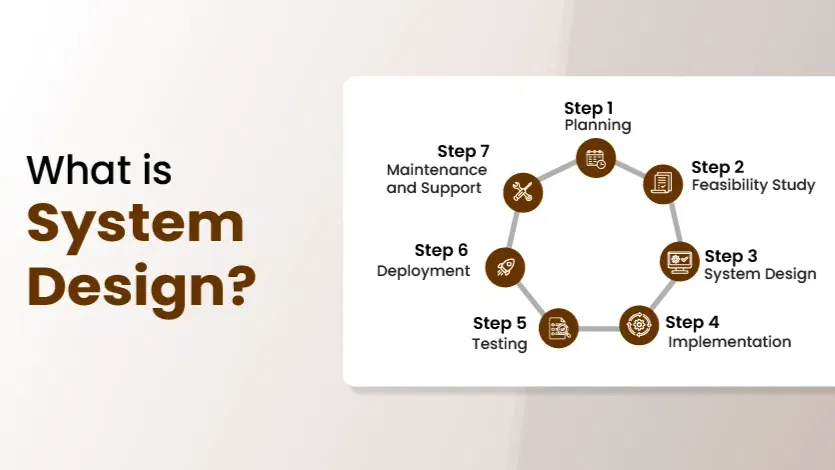
System design is a critical discipline in software engineering that focuses on defining the architecture, components, and data flow of an application. As modern applications grow in complexity and scale, system design plays a vital role in ensuring performance, reliability, and maintainability. Whether you are building a startup product or a large enterprise platform, strong system design principles help systems handle growth efficiently.
This blog introduces system design, explains its importance, and highlights why it is essential for building scalable applications.
Table of Contents
What Is System Design
System design is the process of planning how different software components interact to meet functional and non functional requirements. It involves decisions about architecture, databases, APIs, scalability, security, and fault tolerance.
According to the its fundamentals explained by GeeksforGeeks, it ensures that an application can handle expected load while remaining reliable and easy to maintain.
Why it Matters
Poor system design can lead to slow performance, frequent downtime, and high maintenance costs. As user traffic increases, applications without proper design often fail to scale effectively.
The Google engineering practices emphasize that good design improves reliability and operational efficiency.
Functional and Non Functional Requirements
System design starts with understanding requirements. Functional requirements define what the system should do, such as user authentication or data processing. Non functional requirements include scalability, availability, performance, and security. The requirements engineering overview explains how clear requirements lead to better architectural decisions.
Scalability
Scalability refers to a system’s ability to handle increased load without degrading performance. Horizontal scaling, vertical scaling, and load balancing are common strategies used in scalable systems. The AWS scalability concepts guide explains how cloud based architectures support growth.
Performance Considerations
Performance optimization ensures that systems respond quickly under load. Caching, efficient database queries, and asynchronous processing are commonly used techniques. The caching strategies overview explains how caching improves response times and reduces server load.
Reliability and Fault Tolerance
Reliable systems continue to function even when components fail. Fault tolerance is achieved through redundancy, failover mechanisms, and monitoring. The high availability concepts by Microsoft explain how resilient systems reduce downtime.
Security
Security should be considered from the beginning of system design. This includes secure authentication, authorization, data encryption, and protection against attacks. The OWASP security principles highlight common security risks that designers must address.
Data Management and Storage
Choosing the right data storage solution is a key system design decision. Relational databases, NoSQL databases, and distributed storage systems each serve different use cases. The database selection guide explains how data models impact system scalability.
Use for Modern Applications
Modern systems often use microservices, APIs, and cloud infrastructure. These architectures allow teams to deploy and scale services independently. The microservices architecture guide explains how modular systems improve flexibility and scalability.
Importance for Developers
Understanding system design helps developers write better code, make informed architectural decisions, and collaborate effectively with teams. It is also a key skill evaluated in technical interviews. The system design interview preparation guide explains why this skill is highly valued.
Real World Impact of Good Design
Well designed systems support millions of users, handle traffic spikes, and recover quickly from failures. Companies with strong system design practices deliver consistent user experiences and maintain trust. The Netflix engineering blog showcases real world examples of scalable system design.
Conclusion
System design is the foundation of scalable and reliable software applications. By understanding requirements, planning for scalability, ensuring security, and designing for failure, engineers can build systems that grow with user demand.
Strong principles not only improve application performance but also reduce long term maintenance costs and support sustainable growth in modern software development.
Also Check Monitoring, Logging & Security Best Practices in DevOps 2025
1 thought on “Introduction to System Design – Popular Guide 2025”