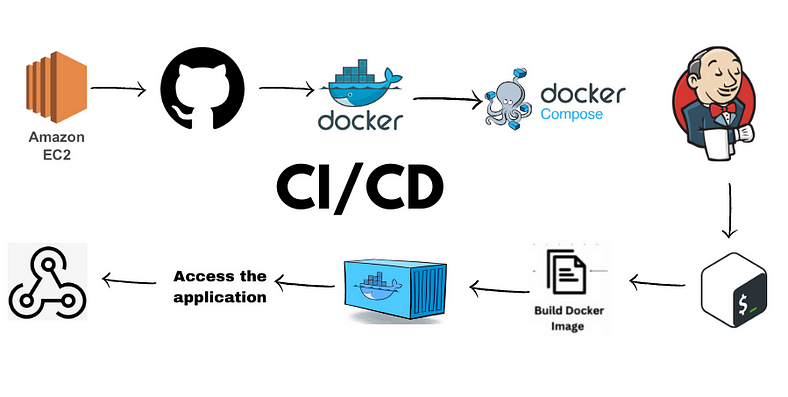
Continuous Integration and Continuous Deployment, commonly known as CI/CD, are core practices in DevOps that enable teams to deliver software faster and more reliably. CI/CD pipelines automate the process of building, testing, and deploying applications, reducing human error and accelerating release cycles.
This blog explains CI/CD concepts, pipeline stages, and their importance in modern software development processes.
Table of Contents
What Is Continuous Integration
Continuous Integration is the practice of frequently integrating code changes into a shared repository. Each integration triggers automated builds and tests to detect issues early.
According to the official Atlassian CI guide, CI improves code quality by identifying bugs at an early stage.
Benefits of Continuous Integration
CI helps teams catch bugs early, reduce integration conflicts, and maintain a stable codebase. Frequent commits encourage collaboration and faster feedback.
Automated testing ensures that new changes do not break existing functionality. The GitHub CI overview explains how CI supports collaborative development.
What Is Continuous Deployment
Continuous Deployment extends CI by automatically deploying every successful build to production. This ensures that new features and fixes reach users quickly.
Some teams prefer Continuous Delivery, where deployment requires manual approval. According to the AWS CI/CD documentation, both approaches improve release efficiency.
CI/CD Pipeline Stages
A CI/CD pipeline consists of multiple stages, including source control, build, test, deploy, and monitor. Each stage is automated to ensure consistency and reliability. The CI/CD pipeline overview explains how these stages work together.
Source Code Management
Version control systems like Git are the foundation of CI/CD pipelines. Developers commit code changes to a central repository, triggering automated workflows. The Git documentation explains how version control supports CI/CD processes.
Automated Testing in CI/CD
Automated testing is a critical component of CI/CD pipelines. Unit tests, integration tests, and end to end tests validate code quality. According to the software testing guide by IBM, automated tests reduce defects and improve reliability.
Build Automation
Build automation compiles code, resolves dependencies, and generates deployable artifacts. This ensures consistency across environments. The Maven build automation guide explains how automated builds improve efficiency.
Deployment Strategies
CI CD pipelines support various deployment strategies such as blue green deployment, canary releases, and rolling updates. These strategies reduce downtime and deployment risks. The deployment strategies guide explains how modern deployment techniques work.
Monitoring and Feedback
Monitoring is the final stage of CI CD pipelines. It provides feedback on application performance and stability after deployment. The DevOps monitoring overview explains how monitoring improves system reliability.
Popular CI/CD Tools
CI/CD pipelines are implemented using tools such as Jenkins, GitHub Actions, GitLab CI, and CircleCI. These tools integrate with cloud platforms and container technologies. According to the Jenkins documentation, automation tools are central to DevOps workflows.
Security in CI CD Pipelines
Security should be integrated into CI/CD pipelines through practices like automated security scans and dependency checks. This approach is often referred to as DevSecOps.The DevSecOps overview explains how security fits into CI/CD pipelines.
Best Practices for CI/CD Implementation
Teams should start with small pipelines, automate testing early, and monitor pipeline performance. Clear rollback strategies ensure safe deployments. Regular pipeline reviews help maintain efficiency.
Conclusion
CI/CD pipelines are the backbone of modern DevOps practices. By automating integration, testing, and deployment, teams can deliver software faster with greater confidence.
Implementing CI/CD effectively improves collaboration, reduces errors, and enables continuous innovation.
Also Check DevOps and Modern Software Development – Ultimate Guide – 2025
1 thought on “CI/CD Pipelines – Comprehensive Guide – 2025”