
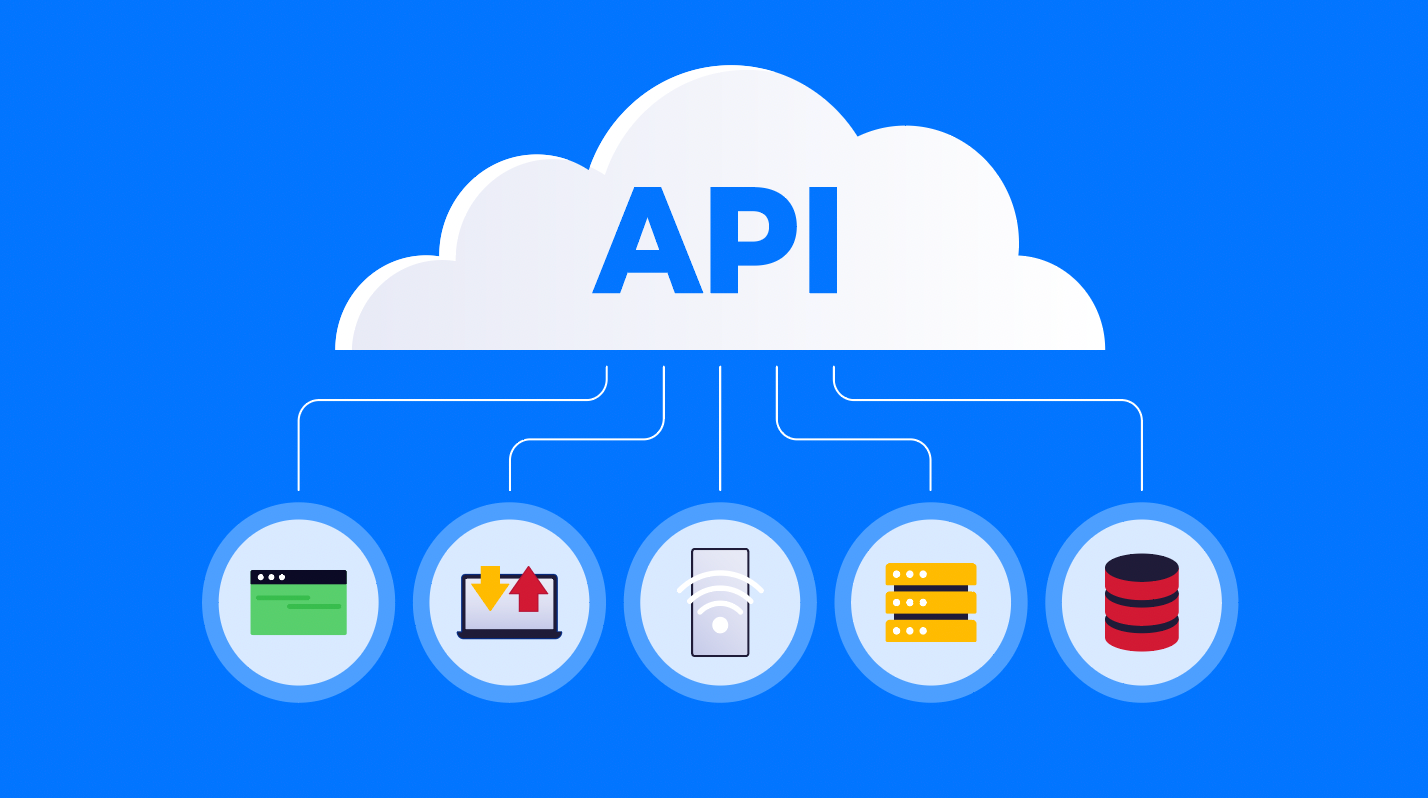
APIs have become the backbone of modern software systems. From mobile apps to cloud platforms and microservices, APIs enable seamless communication between applications. Well designed Application Programming Interfaces improve scalability, security, and developer experience, while poorly designed ones can slow down development and introduce vulnerabilities.
This blog explores Application Programming Interface development and management best practices that help teams build reliable and future ready systems.
Table of Contents
What Is an API and Why It Matters
An Application Programming Interface allows different software systems to communicate using defined rules and protocols. APIs abstract internal logic and expose only what is necessary. According to Application Programming Interface fundamentals explained by IBM, Application Programming Interfaces play a critical role in digital transformation and system integration.
Types of Application Programming Interfaces in Modern Systems
Modern applications use different types of Application Programming Interfaces such as REST, GraphQL, and gRPC. Each type serves different performance and flexibility requirements. The Application Programming Interfacestyles overview explains when to use each approach.
RESTful API Design Principles
RESTful APIs follow principles such as stateless communication, resource based URLs, and standard HTTP methods. These principles make Application Programming Interfaces easier to understand and scale. The REST Application Programming Interface design guide explains best practices for building intuitive Application Programming Interfaces.
GraphQL for Flexible Data Fetching
GraphQL allows clients to request exactly the data they need, reducing over fetching and under fetching issues. It is widely used in frontend heavy applications. The GraphQL introduction explains how GraphQL improves developer efficiency.
Application Programming Interface Versioning Strategies
Application Programming Interfaces evolve over time, making versioning essential to avoid breaking existing clients. Common strategies include URL based versioning and header based versioning. The Application Programming Interface versioning best practices explain how to manage change safely.
Authentication and Authorization
Securing Application Programming Interfaces is critical to protect sensitive data. Common mechanisms include Application Programming Interface keys, OAuth, and token based authentication. The OAuth 2.0 overview explains how secure access delegation works.
API Rate Limiting and Throttling
Rate limiting protects Application Programming Interfaces from abuse and ensures fair usage. Throttling controls traffic spikes and improves reliability. The Application Programming Interface rate limiting concepts explain how to manage Application Programming Interface traffic effectively.
Error Handling and Status Codes
Clear error messages and proper HTTP status codes improve developer experience and simplify debugging. The HTTP status codes reference explains standard responses used in Application Programming Interfaces.
API Documentation and Developer Experience
Good documentation is essential for Application Programming Interface adoption. Tools like interactive docs and code examples help developers integrate faster. The Application Programming Interface documentation best practices explain how to create clear and usable documentation.
Application Programming Interface Monitoring and Analytics
Monitoring API usage helps detect failures, performance issues, and security threats. Metrics such as latency and error rates are key indicators. The Application Programming Interface monitoring overview explains how observability improves reliability.
Application Programming Interface Gateways and Management Platforms
API gateways provide centralized control for authentication, routing, and monitoring. They simplify managing multiple Application Programming Interfaces at scale. The Application Programming Interface gateway explained highlights its role in modern architectures.
Security Best Practices for Application Programming Interfaces
APIs must be protected against common vulnerabilities such as injection attacks and misconfigurations. The OWASP Application Programming Interface security risks explain the most critical threats and prevention techniques.
Conclusion
API development and management are essential skills in modern software engineering. By following best practices in design, security, versioning, and monitoring, teams can build Application Programming Interfaces that are scalable, secure, and easy to use.
Well managed Application Programming Interfaces not only improve system integration but also accelerate innovation and long term success.
Also Check Software Architecture Patterns – Comprehensive Guide – 2026
1 thought on “API Development and Management Best Practices – 2026”